
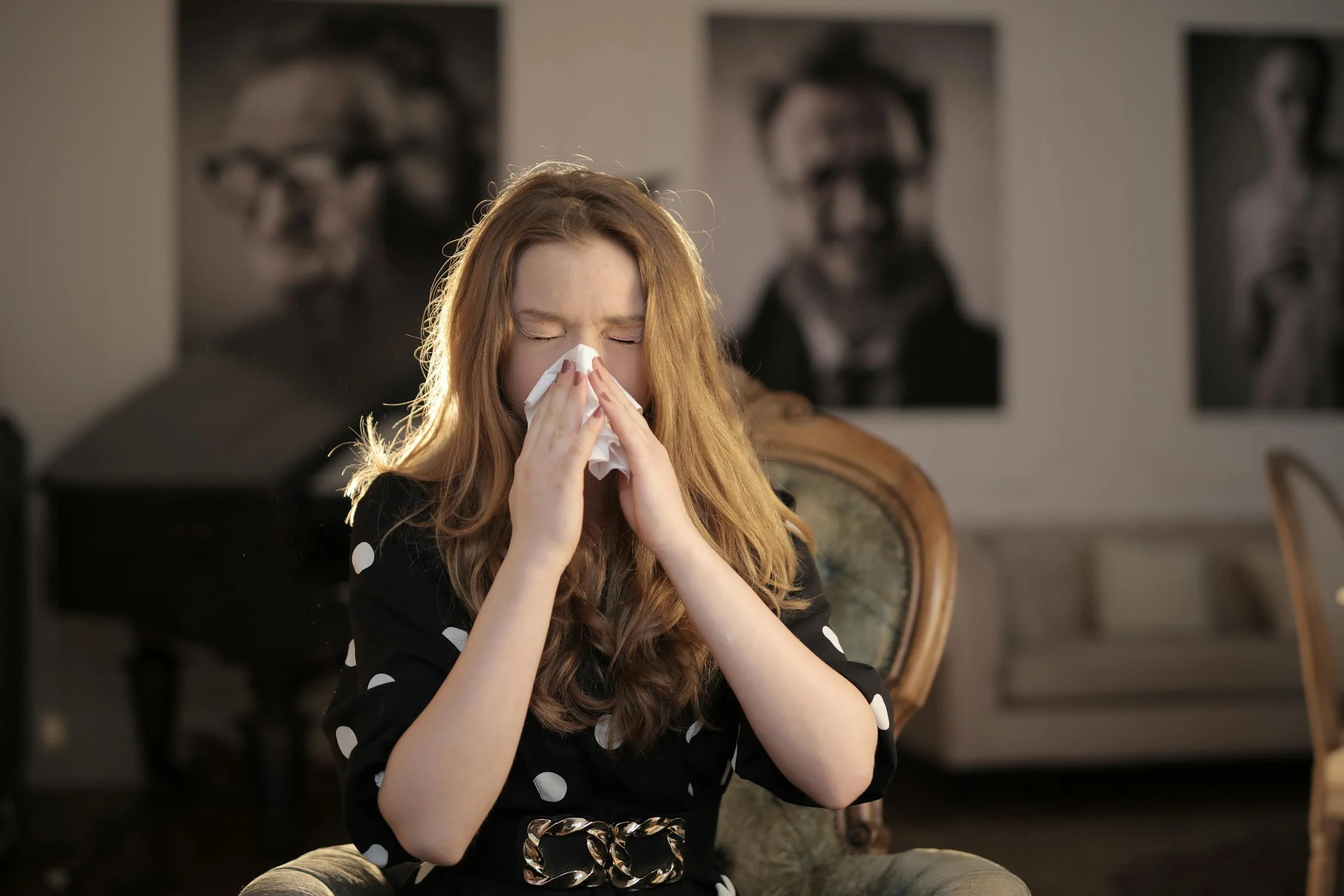
At ABCD Clean Melbourne, we’ve helped thousands of customers breathe easier with the right cleaning solutions. This comprehensive guide covers everything you need to know—from must-have vacuum features to scientifically proven cleaning techniques.
Why Your Vacuum Choice Matters for Asthma & Allergies
The Hidden Dangers in Your Home
- Dust mites (found in 80% of Australian homes, Asthma Australia) are a major asthma trigger.
- Pet dander affects 30% of allergy sufferers (National Allergy Council).
- Mould spores & pollen can worsen symptoms, especially in humid climates like Melbourne.
Alarming Fact: The average mattress contains between 100,000 to 10 million dust mites (American College of Allergy, Asthma & Immunology). Without proper vacuuming, these allergens stay trapped in carpets, bedding, and upholstery.
How a Poor Vacuum Makes Things Worse
Many standard vacuums:
❌ Recirculate dust through weak filtration.
❌ Leak allergens from poorly sealed compartments.
❌ Miss deep-down dirt due to weak suction or no motorised brush.
A high-quality HEPA vacuum can remove up to 99.97% of allergens—making a real difference in symptom control.
5 Must-Have Features in an Asthma & Allergy Vacuum
1. True HEPA Filtration (Not Just “HEPA-Like”)
- HEPA H13/H14 filters capture particles as small as 0.3 microns (dust mites, pollen, mould).
- Standard vacuums only filter larger debris, leaving microscopic allergens in the air.
Stat: A study in the Journal of Allergy and Clinical Immunology found HEPA vacuums reduced airborne allergens by 50% compared to regular vacuums.
2. Fully Sealed System – No Dust Escapes!
- Cheap vacuums leak dust through seams, hoses, or bins.
- Certified sealed systems (like Miele or Dyson’s Allergy models) prevent leaks.
Pro Tip: Bagged vacuums often seal better than bagless—no dust clouds when emptying!
3. Motorised Power Head (200W+ for Carpets)
- Dust mites burrow deep—a turbo brush isn’t enough.
- Independent motor brushrolls agitate carpets 5x better than suction-only heads.
Avoid Turbo Heads! They waste 40% of suction power spinning the brush (Consumer Reports).
4. Adjustable Suction for Delicate Surfaces
- Upholstery, curtains & mattresses need gentler suction to avoid damage.
- Look for: A dial or switch to reduce power when needed.
5. Hygienic Dust Disposal (Bags vs. Bagless)
- Bagged: Less mess, better for allergies.
- Bagless: Must be emptied outside to avoid dust clouds.
Stat: A Which? Magazine study found bagged vacuums retain 95% of dust, while bagless models release 20-30% back into the air when emptied.
How to Vacuum for Maximum Allergen Removal
✔ Carpets – The Worst Offender
- Vacuum 2-3 times per week (Asthma Australia recommendation).
- Slow, overlapping strokes – Fast passes miss 60% of dust mites (Journal of Indoor Environment).
- Use a HEPA vacuum with a power head – Removes 3x more allergens than upright vacuums.
✔ Mattresses – Dust Mite Hotspots
- Vacuum weekly with a mattress attachment.
- Focus on seams – Where 80% of mites hide (American Lung Association).
✔ Upholstery & Curtains – Traps Allergens
- Use a soft brush attachment to avoid fabric damage.
- Flip cushions – 40% of dust hides underneath (Cleaning Science Today).
✔ Hard Floors – Don’t Skip Them!
- Switch to a hard floor brush to prevent dust scattering.
- Follow with a damp mop to capture the remaining particles.
Vacuum Maintenance – Keep It Working Like New
A poorly maintained vacuum loses up to 50% suction power (Consumer Reports).
✅ Empty dustbin/replace bag when half-full (better airflow).
✅ Wash HEPA filters every 3 months (or replace yearly).
✅ Check brushroll for hair tangles (reduces efficiency).
✅ Inspect hoses for blockages (common in pet homes).
Can a Good Vacuum Reduce Asthma Symptoms?
Yes! Research shows:
🔹 HEPA vacuums reduce dust mites by 80% (Annals of Allergy, Asthma & Immunology).
🔹 Weekly deep cleaning lowers rescue inhaler use by 30% (Asthma UK).
🔹 Children in well-vacuumed homes have fewer asthma attacks (National Institutes of Health).
Why Trust ABCD Clean Melbourne?
We’re Melbourne’s leading experts in allergy-friendly cleaning. Our team:
🔸 Tests & compares vacuums for real-world performance.
🔸 Offers personalised recommendations based on your home.
🔸 Provides maintenance support to keep your vacuum working perfectly.
Ready to breathe easier? Visit our Melbourne showroom or book a consultation today!
Your health starts with a cleaner home—let us help!
Sources:
- Asthma Australia
- National Allergy Council
- Journal of Allergy and Clinical Immunology
- American Lung Association
- Consumer Reports
